Salt-air coil corrosion
Standard outdoor units corrode fast this close to Mission Bay. We specify coastal-coated condensers, place them out of direct salt paths where possible, and inspect coils at every maintenance visit.

View homes above Mission Bay where salt air eats standard condensers — coastal-grade equipment matters here.
Yes — Bay Park and Bay Ho are minutes from our Ronson Court shop, and we know the one factor that decides how long equipment lives here: salt. The marine air off Mission Bay corrodes standard condenser coils years ahead of schedule, so we specify coastal-coated units and check coil condition on every visit. Combine that with 1930s-60s housing stock and you get a neighborhood where the right diagnosis matters more than the biggest tonnage.
Why neighbors call us
Bay Park began building out in the 1930s and 40s with Minimal Traditional cottages and early ranches; Bay Ho followed from the mid-1950s with midcentury and Spanish-style ranches on the mesa above. Older Bay Park streets still carry raised-foundation homes with floor furnaces; Bay Ho went mostly slab-on-grade with early forced-air systems. Many homes were never built with cooling at all, because the marine layer IS the neighborhood's original air conditioner — summer highs here average only the mid-to-upper 70s.
The flip side of that bay proximity is galvanic corrosion: salt-laden air steadily eats aluminum fins and copper coils, and a bargain condenser that lasts 15 years inland can fail in far fewer here. Our answer is equipment selection (coastal-coated coils or factory anti-corrosion treatment), placement that limits direct salt exposure, and rinse-and-inspect maintenance that catches corrosion early. For heating and cooling both, variable-speed heat pumps shine in this microclimate — gentle dehumidifying cooling for humid mornings, efficient heat for damp bay evenings.
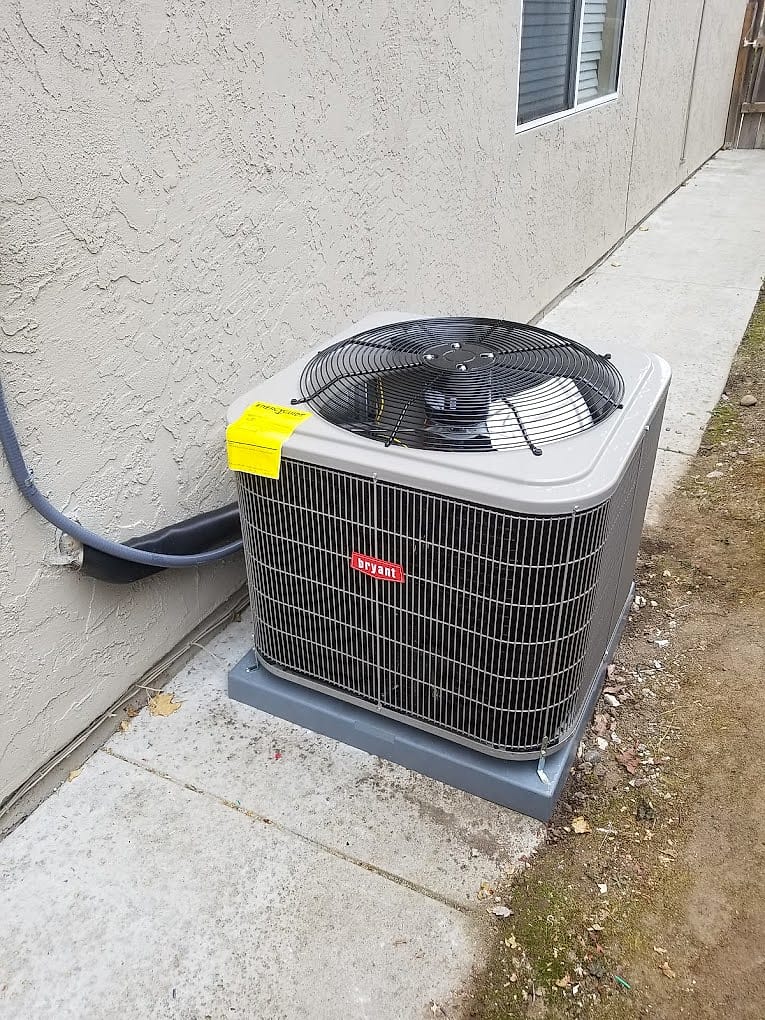
Standard outdoor units corrode fast this close to Mission Bay. We specify coastal-coated condensers, place them out of direct salt paths where possible, and inspect coils at every maintenance visit.
Pre-war and 1940s homes on raised foundations often still heat with floor furnaces. We safety-test them, photograph the findings, and offer replacements that fit the house — often ductless heat pumps.
Mid-70s summer highs mean raw tonnage is the wrong goal. Right-sized variable-speed equipment dehumidifies properly, runs quieter, and costs less to operate on SDG&E's rates.
Honest answer, verified July 2026: less than the ads imply — and anyone quoting you expired programs deserves a second opinion. The federal 25C tax credit is gone for equipment placed in service after December 31, 2025. California's HEEHRA electrification rebates (up to $8,000 for income-qualified households) are fully reserved statewide for single-family homes as of February 24, 2026 — new applications go to a waitlist, per techcleanca.com. TECH Clean California's market-rate single-family heat pump incentives are fully reserved too.
What IS still real: SDG&E's Residential Energy Solutions program offers no-cost AC tune-ups, smart fan controllers, and a refrigerant-charge check for single-family homes (renters included), per sdge.com. The San Diego Regional Energy Network (sdren.org) provides a free home energy advisor who helps you find and stack whatever funding applies to your home. The City of San Diego's HEART electrification rebate phases ran only through February 2026. And with SDG&E charging some of the highest residential electric rates in the nation, the heat-pump-vs-gas-furnace math has to be run honestly for YOUR home — panel capacity, duct condition, and insulation included. That's exactly the diagnostic-first work we photograph and show you before you spend a dollar.
Program statuses verified July 2026 on techcleanca.com, sdge.com, sdren.org, and sandiego.gov. If a program reopens, we'll tell you — and if a salesperson promises you a rebate we can't verify on the program's own site, that's a red flag.
City of San Diego rules apply: mechanical permit on every changeout, Title 24 duct and airflow verification, setback and screening requirements for at-grade equipment. Because so much of Bay Park predates 1980, major exterior work can trigger the City's 45-year potential historic review; slope-side lots may also face view-corridor scrutiny for anything roof-mounted. None of it slows a well-planned job — we design placement to pass the first time.
Less than inland neighbors, honestly — the marine layer keeps most summer days in the 70s. But heat waves and Santa Ana weeks are getting harsher, and a right-sized variable-speed heat pump adds efficient heating for damp bay evenings too. We'll tell you straight if your home doesn't need more than you have.
Salt. Marine air accelerates galvanic corrosion of coil fins and copper, and standard equipment isn't built for it. Coastal-coated units plus regular coil inspection and rinsing are how equipment reaches full life this close to Mission Bay.
Yes. We safety-test the existing unit first — cracked heat exchangers are a carbon monoxide risk — then show you photographed evidence and options, from modern replacements to ductless heat pumps that skip ductwork entirely.
In this mild microclimate, often yes — but only when sized and installed honestly. Mild winters mean heat pumps run in their most efficient range here. We run the math for your home, your panel, and your usage, and show you the numbers.
Verified July 2026: 25C is expired, HEEHRA single-family is waitlisted statewide, and TECH market-rate incentives are fully reserved. Still real: SDG&E's no-cost Residential Energy Solutions services and the free SDREN home energy advisor. We never quote rebates we can't verify first-party.
Nearby neighborhood guides
One call brings a Progressive Heating & Air technician who photographs exactly what your Bay Park & Bay Ho home needs — before you spend a dollar.
Open 24/7 · Bryant Factory Authorized Dealer · Free estimates on new systems